
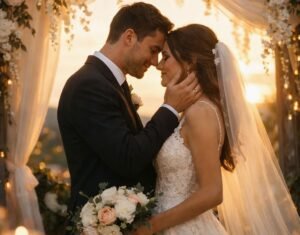
Wedding cinematography is one of the most emotionally charged and technically demanding genres of filmmaking. Unlike commercial shoots or staged productions, a wedding is a live event with no second takes, where every moment carries personal meaning. The cinematographer’s task is not simply to record the day — but to translate emotion, tradition, and human connection into visual storytelling.
This article explores how to approach wedding cinematography with sensitivity, artistry, and technical precision.
1. The Philosophy of Wedding Cinematography
A wedding film is not a documentation — it is a narrative of two families merging, a story of anticipation, ritual, and celebration. The cinematographer becomes:
- an observer
- a storyteller
- a guardian of memory
The goal is to capture not only what happened, but how it felt.
1.1. Emotion First
Every wedding has three emotional layers:
- Intimate — private moments, glances, hands touching, nervous smiles
- Ceremonial — vows, traditions, rituals
- Celebratory — dancing, laughter, energy
A strong wedding film balances all three.
1.2. Tradition as Visual Language
Traditions are not obstacles — they are cinematic assets. They provide structure, symbolism, and rhythm.
Whether it’s a church ceremony, a chuppah, a tea ceremony, or a civil union, each tradition has its own:
- pacing
- lighting
- emotional tone
- cultural meaning
Understanding these nuances is essential.
2. Pre‑Production: Preparing for the Unpredictable
Wedding cinematography begins long before the cameras roll.
2.1. Meeting the Couple
This is not a technical meeting — it’s a psychological one.
Ask:
- What moments matter most to you?
- Are there family dynamics I should be aware of?
- Are there cultural or religious elements I must respect?
- Do you prefer cinematic or documentary style?
- What music feels like “your story”?
These answers shape the film’s emotional architecture.
2.2. Scouting the Venue
Key elements to evaluate:
- natural light sources
- ceremony layout
- movement paths
- audio challenges
- restrictions (church rules, synagogue rules, officiant limitations)
A wedding is a choreography — you must know the stage.
2.3. Shotlist vs. Flexibility
A wedding cannot be storyboarded, but you can prepare:
- establishing shots
- dress and suit details
- rings, flowers, décor
- first look
- ceremony highlights
- speeches
- dances
The rest is improvisation guided by intuition.
3. Cinematic Techniques for Weddings
3.1. Light
Weddings often mix:
- harsh daylight
- warm indoor lighting
- candles
- colored DJ lights
Your job is to shape light, not fight it.
Tools:
- small LED panels
- bounce cards
- diffusion
- practical lights
- fast lenses (f/1.4–f/2.8)
3.2. Movement
Movement adds emotion:
- slow push‑ins during vows
- handheld intimacy during preparations
- gimbal for dynamic dance floor shots
- static frames for ceremonial gravity
Movement must match the moment.
3.3. Composition
Wedding cinematography thrives on:
- layered frames
- foreground elements
- reflections
- silhouettes
- shallow depth of field
These techniques elevate simple moments into cinematic ones.
4. Sound: The Invisible Half of the Film
Sound is often more important than visuals.
4.1. Ceremony Audio
Use:
- dual recording (lav + shotgun)
- backup recorders on officiant and groom
- ambient microphones for room tone
4.2. Speeches
Always record:
- lav on speaker
- shotgun from camera
- backup recorder on podium
4.3. Natural Sound
Capture:
- laughter
- footsteps
- dress movement
- applause
- quiet breaths during vows
These details make the film alive.
5. Cultural and Religious Traditions
This is where wedding cinematography becomes anthropology.
5.1. Christian Weddings
- respect for sacred spaces
- limited movement during ceremony
- candlelight and stained glass as natural cinematic elements
5.2. Jewish Weddings
- chuppah lighting challenges
- fast‑paced dancing (hora)
- breaking the glass — one‑chance moment
- ketubah signing — intimate and emotional
5.3. Orthodox Weddings
- incense and candlelight
- slow ceremonial pacing
- restrictions on flash and movement
5.4. Secular / Modern Weddings
- creative freedom
- unconventional venues
- personalized rituals
Each tradition shapes the film’s rhythm.
6. Editing: Building the Emotional Arc
A wedding film is structured like a short narrative:
- Anticipation — preparations
- Transition — first look or arrival
- Ceremony — emotional peak
- Celebration — release
- Reflection — closing montage
Music selection is crucial — it defines tone and pacing.
Color grading should be:
- warm
- soft
- timeless
- consistent across mixed lighting environments
7. The Cinematographer’s Role
Wedding cinematography is not about gear — it’s about presence.
You must be:
- invisible but attentive
- calm but responsive
- respectful but creative
- technical but emotional
The best wedding films feel like memories, not productions.
Conclusion
Wedding cinematography is a blend of emotion, tradition, and artistry. It requires sensitivity, technical skill, cultural awareness, and the ability to anticipate human moments before they happen. When done well, it becomes not just a record of a day — but a visual legacy for generations.