Event Streaming: Tools & Tutorials

Explore practical guides, equipment reviews, and workflow strategies for live streaming events—from budget-friendly setups to professional-grade productions. This category covers everything from camera and audio gear to software configuration, platform integration, and troubleshooting tips. Whether you’re hosting a webinar, broadcasting a hybrid conference, or setting up a DIY studio, you’ll find step-by-step tutorials and expert insights to help you stream with confidence.

lighting and audio setup for beginner creators

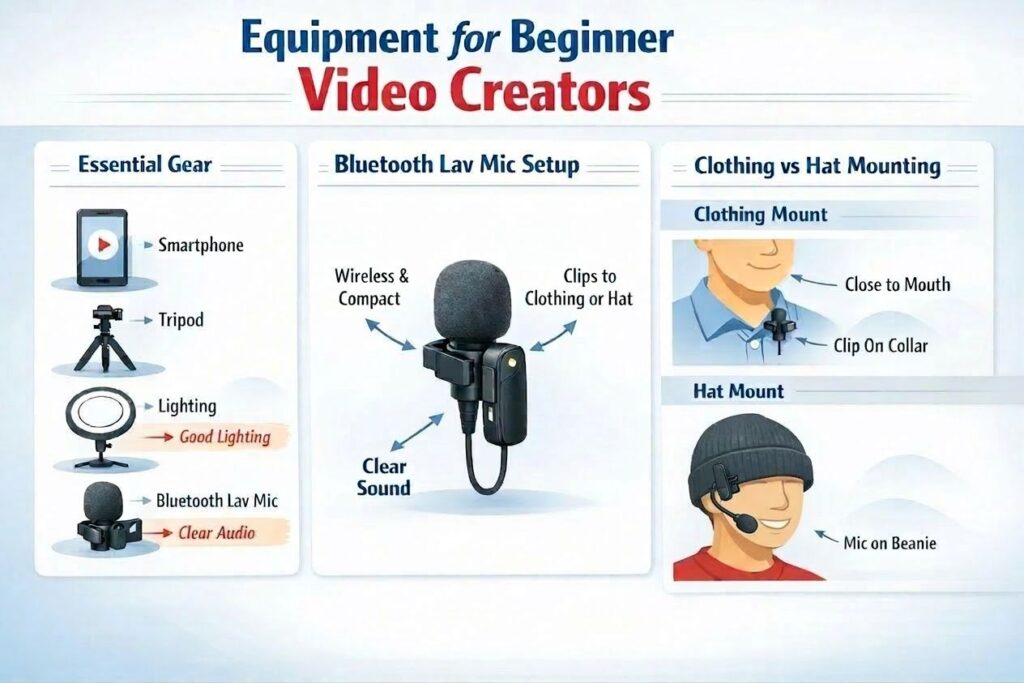
Equipment for Beginner Video Creators

Equipment for beginner video creators is surprisingly simple: you don’t need a studio or expensive gear to start. The right equipment for beginner video creators focuses on clean audio, stable video, and basic lighting — and Bluetooth lavalier mics make this even easier. Essential Equipment for Beginner Video Creators A beginner doesn’t need a studio […]

Equipment for Beginner Video Creators Read Post »

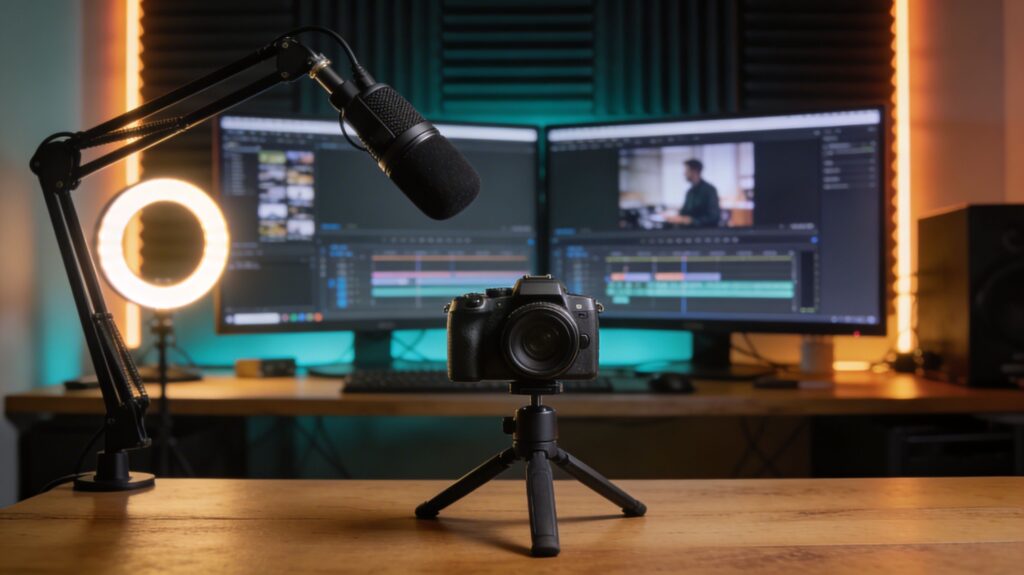
A professional content‑creation workspace with a camera on a tripod, dual monitors showing video editing software, a boom‑mounted microphone, ring light, and acoustic panels for recording high‑quality videos.

Starting a Video Channel: Only When You Can’t Not Do It

The modern creator economy looks glamorous from the outside—millions of views, sponsorships, passive income, flexible schedules. But anyone who has actually built a channel knows the truth: video creation is demanding, time‑consuming, and emotionally taxing. A channel shouldn’t be launched on a whim. It should begin only when it becomes impossible to hold your ideas

Starting a Video Channel: Only When You Can’t Not Do It Read Post »

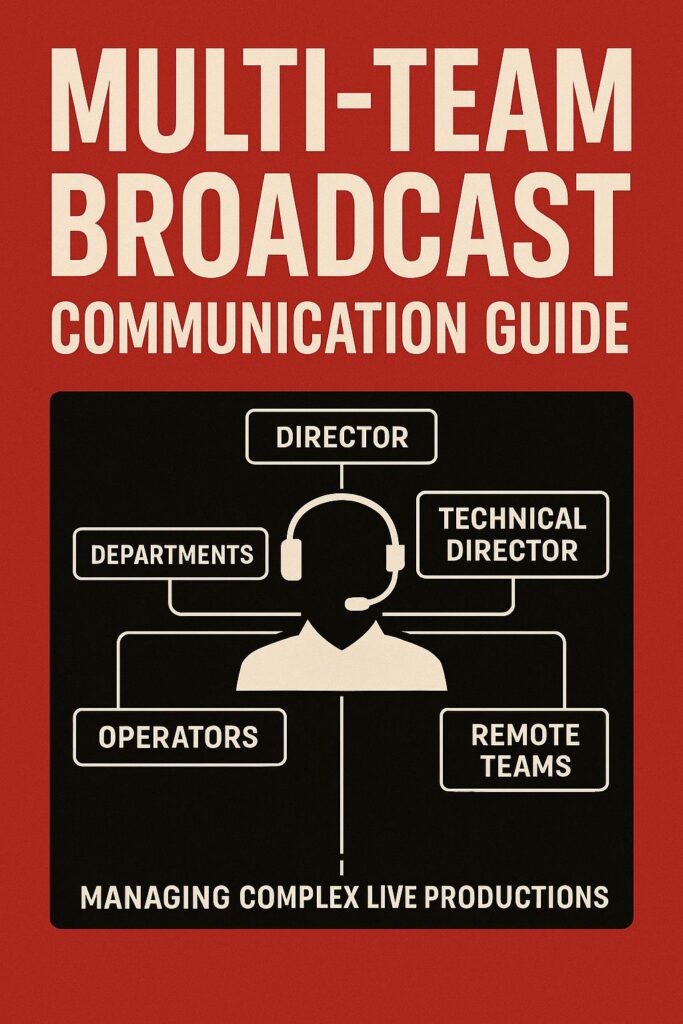
Communication in Hybrid and Remote Productions: How to Manage Teams Across Distance

Communication in Hybrid and Remote Productions: How to Manage Teams Across Distance

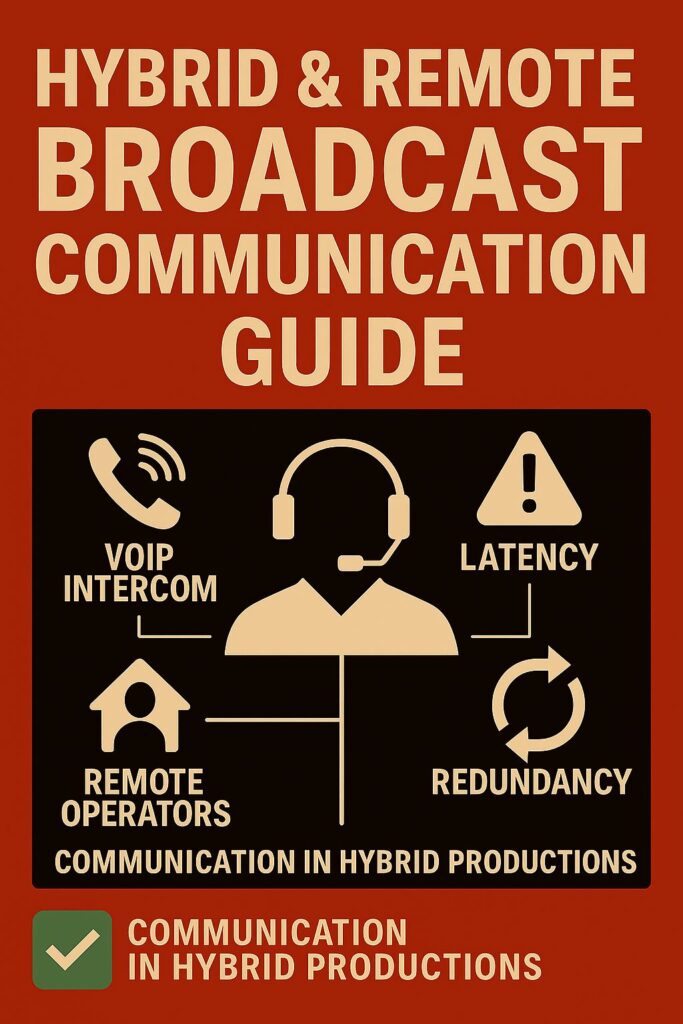
Modern live productions increasingly combine on‑site crews, remote operators, virtual guests, and directors working from different locations. Communication in hybrid and remote productions requires strict protocols to stay stable despite delays, inconsistent environments, and lack of visual contact. This article outlines the essential communication principles that keep hybrid and remote productions stable, coordinated, and professional.

Communication in Hybrid and Remote Productions: How to Manage Teams Across Distance Read Post »

The Psychology of Team Communication in Live Broadcast

The Psychology of Team Communication in Live Broadcast: Building Trust and Resilience

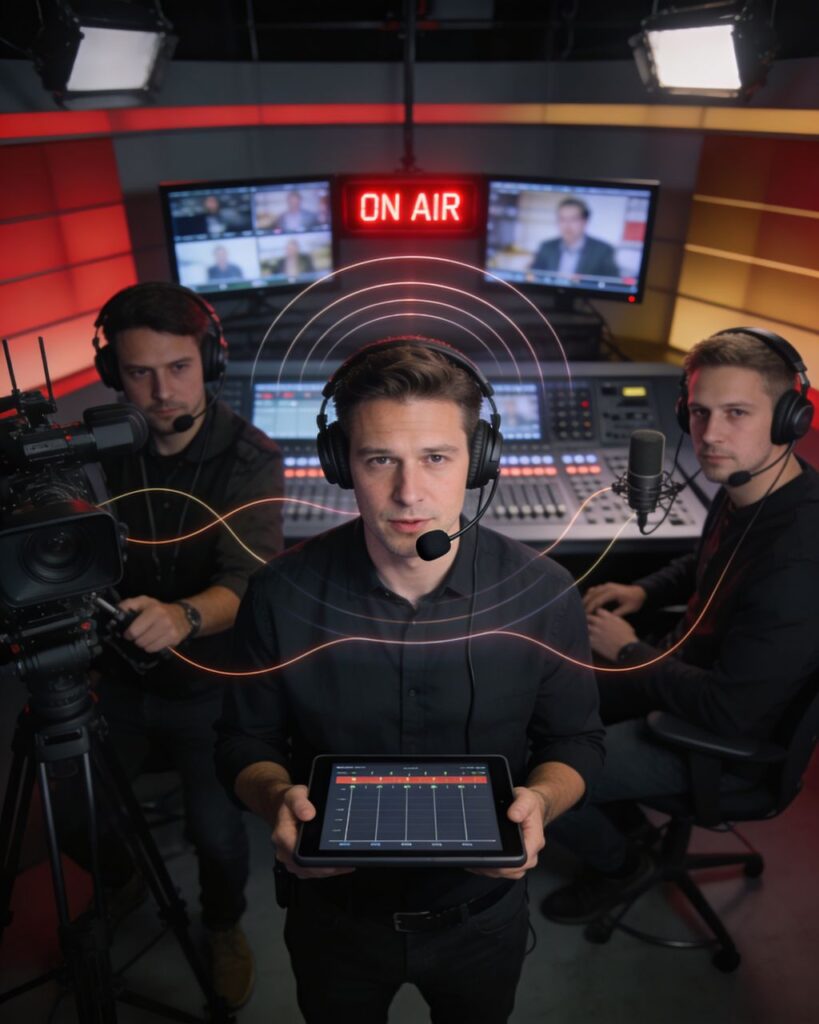
In live broadcasting, technology matters — but people determine how smoothly a production runs. Teams operate under pressure, and the key to stability is not only technical skill but also team communication psychology in live broadcasts — how people interact, support each other, and maintain a unified rhythm. This article explores the psychological principles that

The Psychology of Team Communication in Live Broadcast: Building Trust and Resilience Read Post »

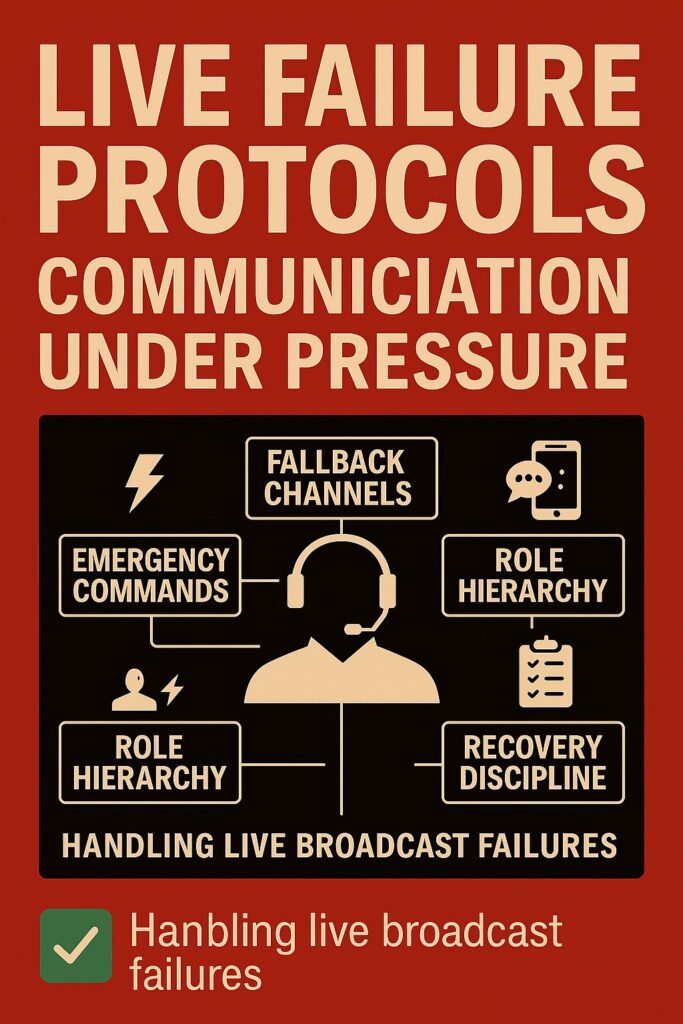
Live Broadcast Failure Protocols: Communication Under Pressure

Working Under Pressure: Communication Protocols During Live Failures

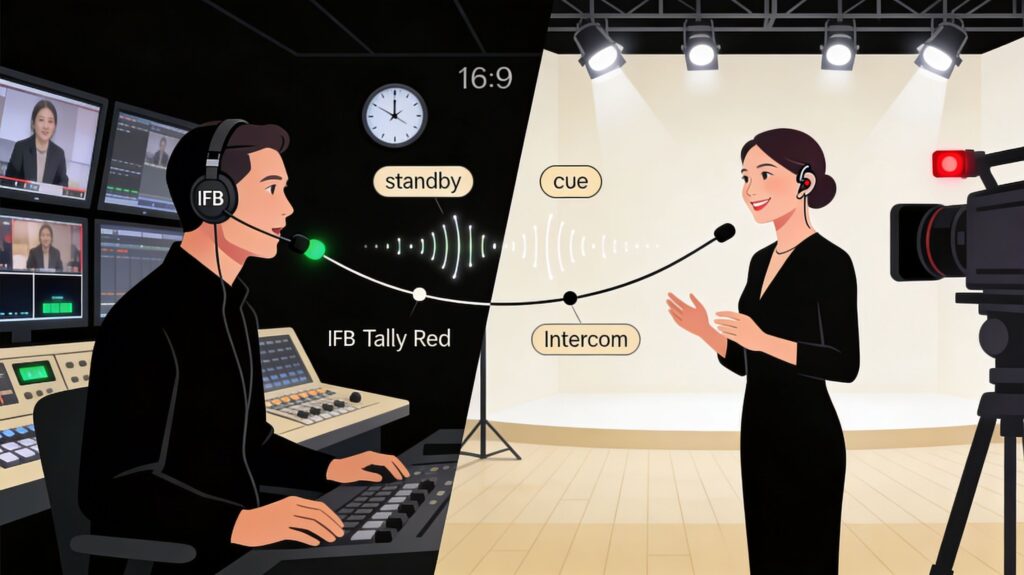
Live broadcasts are unforgiving environments. When something goes wrong, live broadcast failure protocols become the difference between recovery and chaos. Whether it’s a lost signal, frozen graphics, or a camera blackout, the director’s ability to communicate clearly and decisively is critical. 1. Predefined Emergency Commands in Live Broadcast Failure Protocols In high-pressure moments, there’s no

Working Under Pressure: Communication Protocols During Live Failures Read Post »

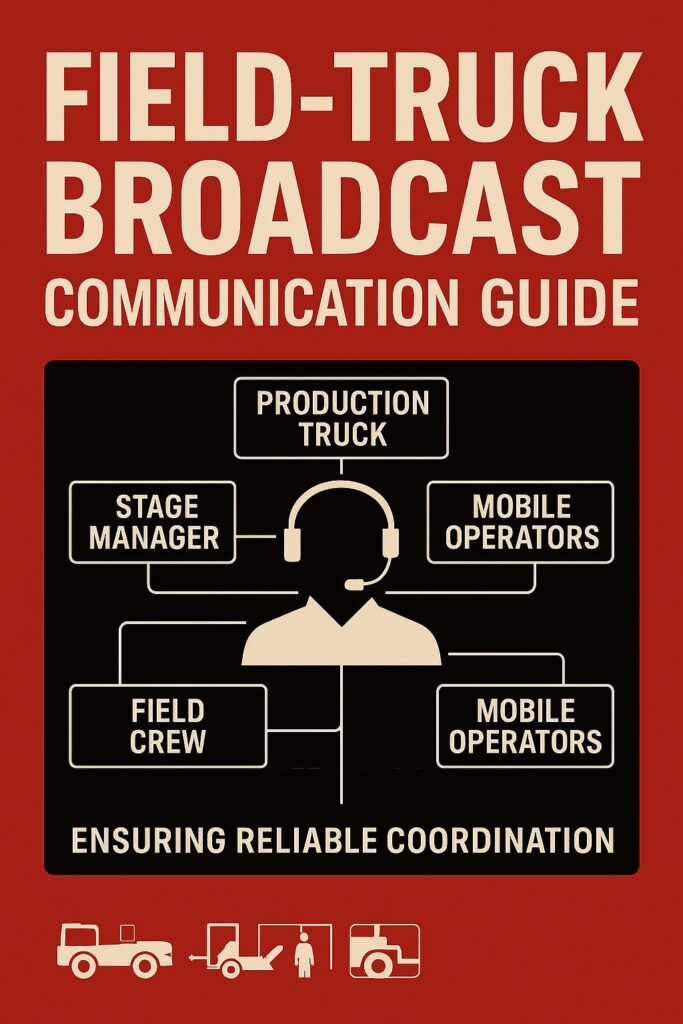
field–truck communication guide

Field–Truck Communication: Ensuring Reliable Coordination in Live Production Environments

In live productions, field–truck communication becomes a complex, multi‑layered system. When part of the team works on the field, and another part operates from the production truck, clarity and reliability directly affect reaction speed, shot quality, team safety, and the ability to handle unexpected situations. This article outlines the key principles and protocols that help

Field–Truck Communication: Ensuring Reliable Coordination in Live Production Environments Read Post »

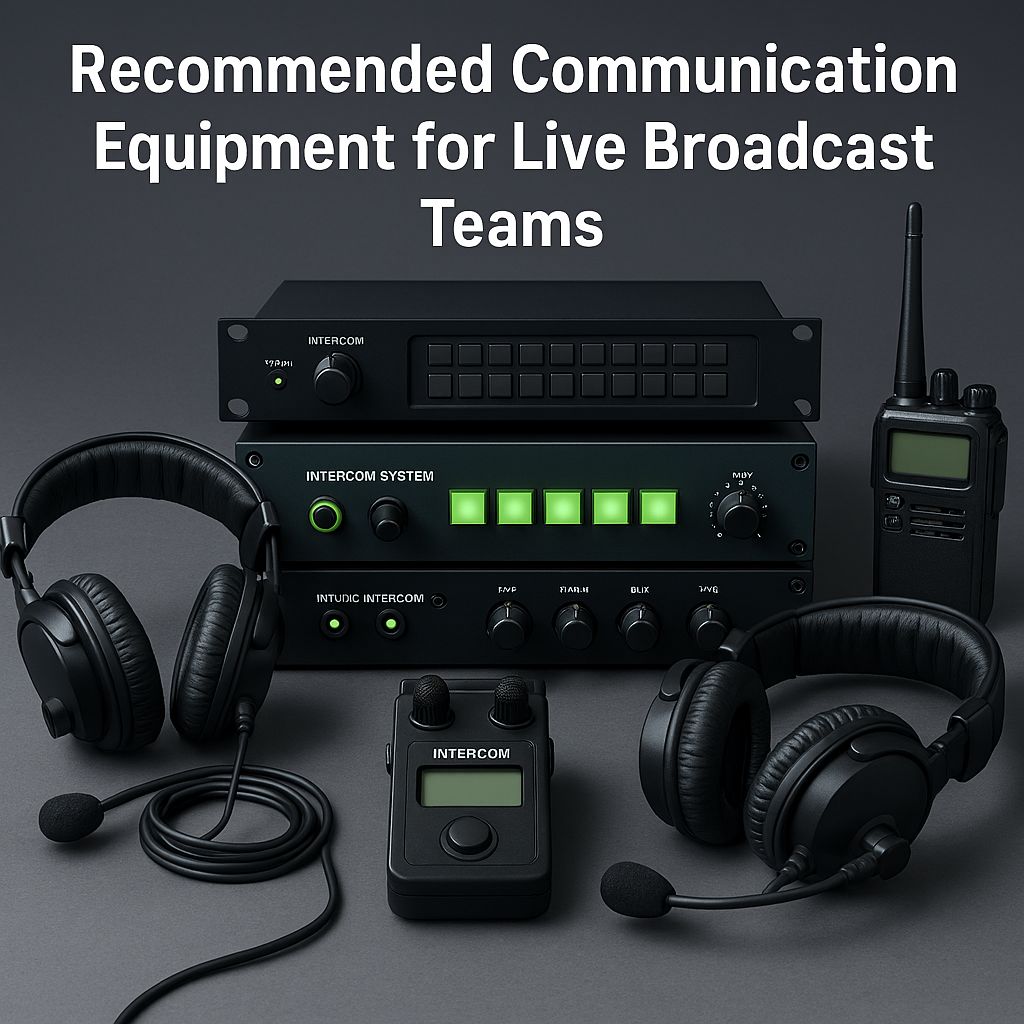
Recommended Communication Equipment for Live Broadcast Teams

Recommended Communication Equipment for Live Broadcast Teams

Effective communication is the backbone of any live broadcast team, and choosing the right communication equipment is essential for smooth production. The director’s ability to coordinate camera operators, audio engineers, graphics, and stage crew depends not only on clarity of commands but also on the reliability of the communication system. Below is an overview of

Recommended Communication Equipment for Live Broadcast Teams Read Post »

Scroll to Top